
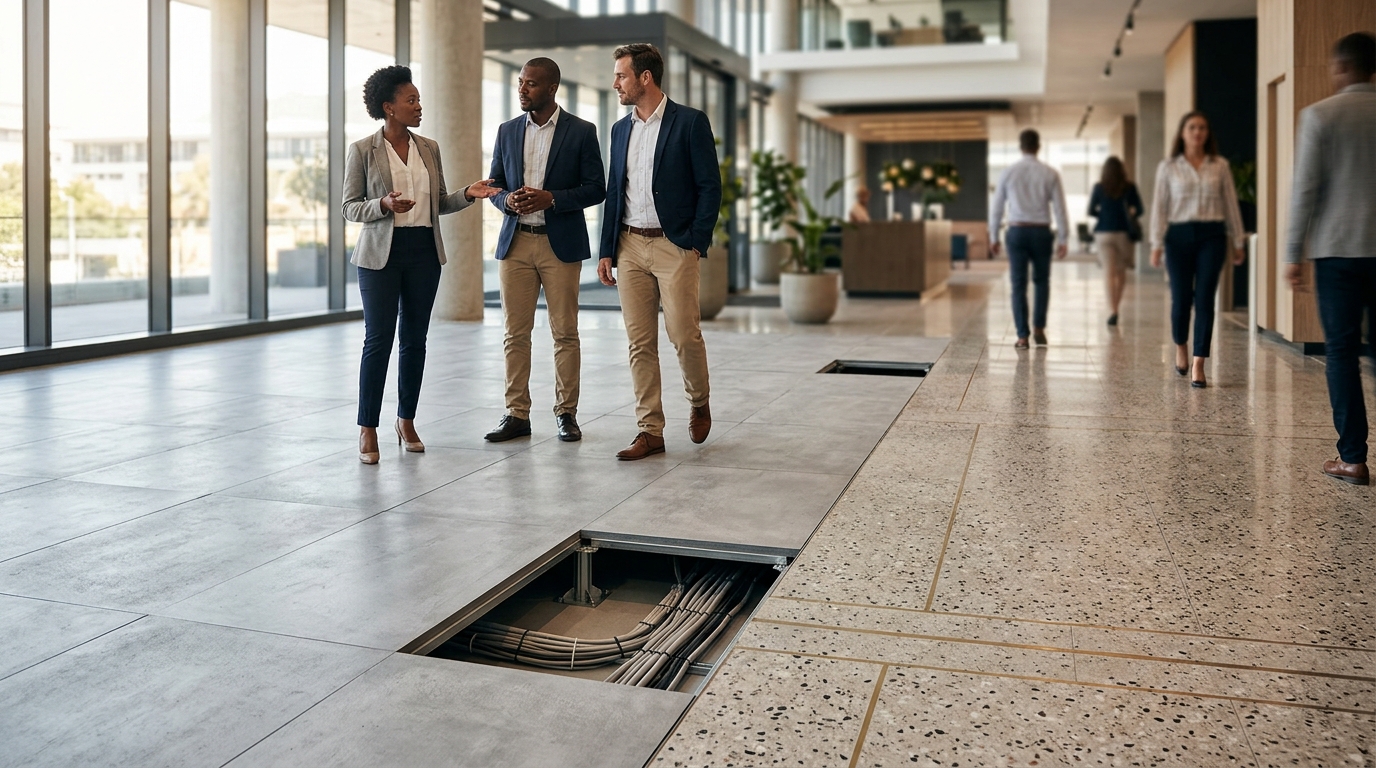
When it comes to choosing the right flooring solution for your home or business, you may be faced with a decision between access flooring and traditional flooring options. Both have their advantages and disadvantages, and understanding these differences can help you make an informed decision.
Access Flooring:
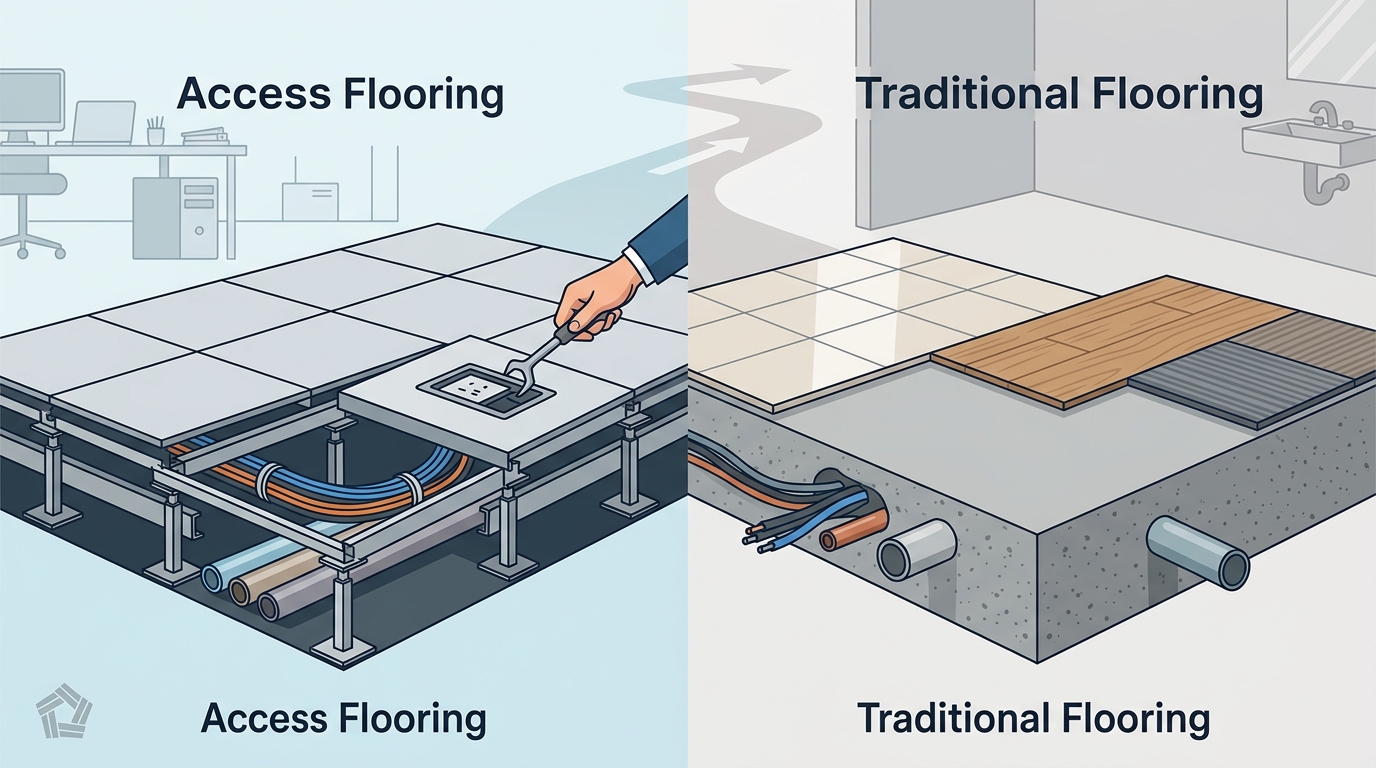
Access flooring is a type of raised flooring system that provides easy access to services and utilities beneath the floor. It consists of a series of interlocking panels supported by pedestals. Here are some key benefits: (About ndash PentaFloor Access)
- Versatility: Access flooring can be used for various applications, including residential, commercial, and industrial settings. (PentaFloor ndash PentaFloor Access)
- Flexibility: It allows for easy modification and reconfiguration, making it ideal for spaces with changing requirements. (Your Shopping Cart ndash)
- Accessibility: The raised design provides easy access to electrical, plumbing, and other services, making maintenance and repairs more convenient. (Search ndash PentaFloor Access)
- Sustainability: Access flooring is often made from recycled materials and can be easily disassembled and reused, making it an eco-friendly choice.
Traditional Flooring:
Traditional flooring refers to any flooring type that is not raised, such as hardwood, laminate, vinyl, or carpet. Here are some key benefits:
- Cost-effective: Traditional flooring options are generally less expensive than access flooring.
- Aesthetic appeal: They offer a wide range of design options, making it easier to find a flooring solution that matches your personal style.
- Durability: Traditional flooring options, such as hardwood and ceramic tile, can last for decades with proper care and maintenance.
Now that we've covered the basics of both access flooring and traditional flooring, let's explore how they compare in terms of cost, installation, maintenance, and sustainability.
Cost
Access flooring tends to be more expensive than traditional flooring options due to its raised design and the materials used. However, the long-term cost savings may outweigh the initial investment, particularly in commercial and industrial settings where access to services and utilities is a priority.
Traditional flooring options, on the other hand, offer a more cost-effective solution upfront. However, the cost of repairs and maintenance over the lifespan of the flooring may be higher, particularly for high-traffic areas.
Installation
Access flooring installation can be more complex than traditional flooring options due to the need for pedestals and interlocking panels. However, the raised design offers easier access to services and utilities, making installation more convenient in the long run.
Traditional flooring options typically have a simpler installation process, but the process can be more disruptive due to the need to remove existing flooring and prepare the subfloor.
Maintenance
Access flooring requires minimal maintenance due to its raised design and easy access to services and utilities. However, the cost of repairs may be higher due to the need for specialized parts and labor.
Traditional flooring options require more regular maintenance, particularly for high-traffic areas. Proper care and maintenance can help extend the lifespan of the flooring, but the cost of repairs and replacements may be higher over the long term.
Sustainability
Access flooring is often made from recycled materials and can be easily disassembled and reused, making it an eco-friendly choice. However, the manufacturing process and transportation of the panels and pedestals can contribute to a larger carbon footprint.
Traditional flooring options can also be sustainable, depending on the material choice. For example, hardwood flooring can be sourced from sustainably managed forests, and carpet tiles can be made from recycled materials. However, the disposal and replacement of traditional flooring options can contribute to a larger carbon footprint.
Conclusion
Both access flooring and traditional flooring options have their advantages and disadvantages, and the right choice depends on your specific needs and budget. Access flooring offers easy access to services and utilities, versatility, and sustainability, but comes with a higher upfront cost and potential for higher repair costs. Traditional flooring options offer a more cost-effective solution upfront, but may require more regular maintenance and have a larger carbon footprint during disposal and replacement.
When making your decision, consider the specific requirements of your space, your budget, and your long-term goals. Consulting with a flooring professional can also help you make an informed decision and ensure that you choose a flooring solution that meets your needs and exceeds your expectations.
Frequently Asked Questions
What is access flooring?
Access flooring is a type of raised flooring system that provides easy access to services and utilities beneath the floor. It consists of a series of interlocking panels supported by pedestals.
What are the benefits of access flooring?
Access flooring offers versatility, flexibility, accessibility, and sustainability. It can be used for various applications, including residential, commercial, and industrial settings. The raised design provides easy access to electrical, plumbing, and other services, making maintenance and repairs more convenient. Access flooring is often made from recycled materials and can be easily disassembled and reused, making it an eco-friendly choice.
What is the cost of access flooring?
Access flooring tends to be more expensive than traditional flooring options due to its raised design and the materials used. However, the long-term cost savings may outweigh the initial investment, particularly in commercial and industrial settings where access to services and utilities is a priority.
What is the installation process for access flooring?
Access flooring installation can be more complex than traditional flooring options due to the need for pedestals and interlocking panels. However, the raised design offers easier access to services and utilities, making installation more convenient in the long run.
What is the maintenance required for access flooring?
Access flooring requires minimal maintenance due to its raised design and easy access to services and utilities. However, the cost of repairs may be higher due to the need for specialized parts and labor.
What are the alternatives to access flooring?
Traditional flooring options, such as hardwood, laminate, vinyl, and carpet, are alternatives to access flooring. These options offer a more cost-effective solution upfront but may require more regular maintenance and have a larger carbon footprint during disposal and replacement.
What is the lifespan of access flooring?
Access flooring can last for decades with proper care and maintenance. The raised design and easy access to services and utilities make repairs and replacements more convenient, extending the lifespan of the flooring.