
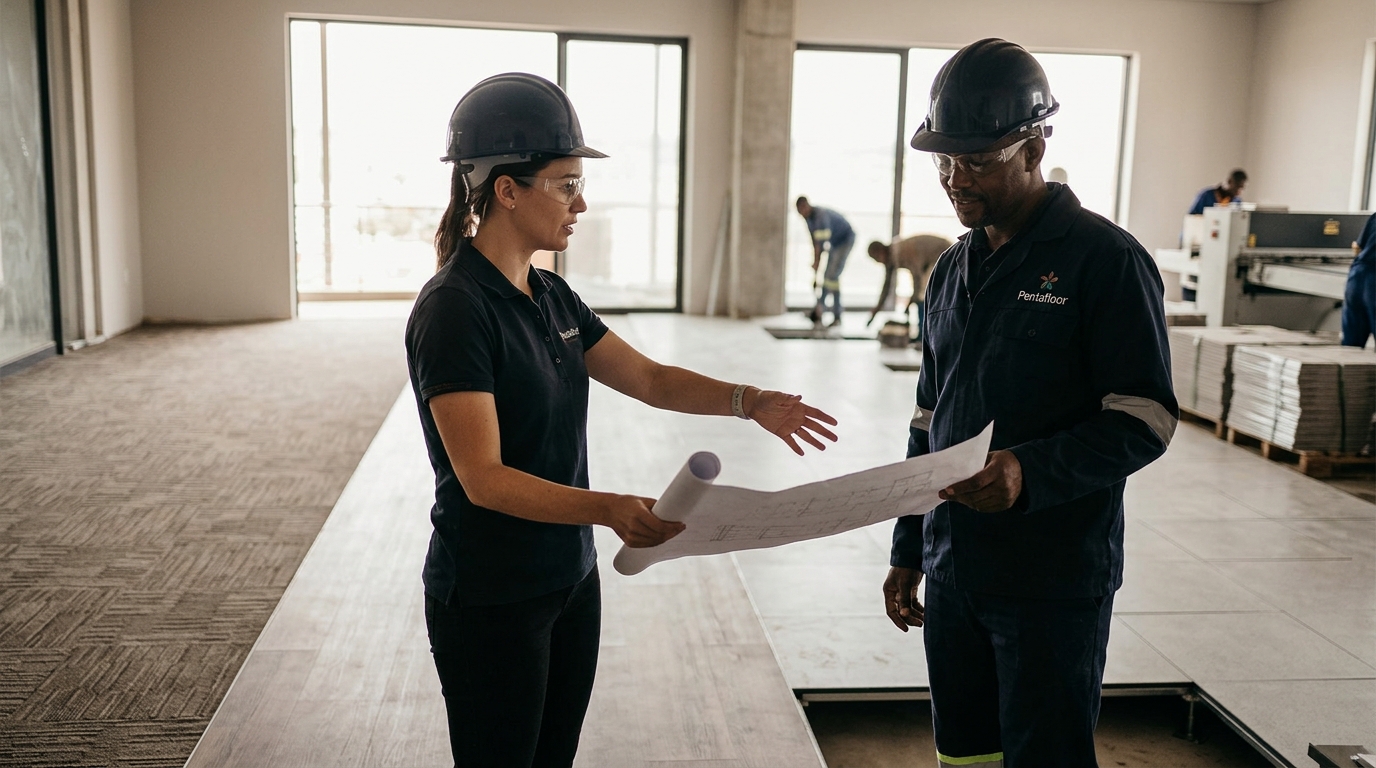
South African commercial construction projects increasingly demand localized supply chains to mitigate import delays and currency fluctuations. According to recent industry reports, over sixty percent of large-scale commercial builds now prioritize domestic manufacturing partnerships to secure consistent material availability. This shift directly benefits project managers who require predictable lead times and strict quality control. When a flooring contractor manufactures their own materials, they eliminate third-party markups and guarantee exact technical specifications. Companies like PentaFloor have capitalized on this demand by establishing fully integrated production facilities across major metropolitan hubs. This vertical integration model ensures that every panel, tile, or carpet meets rigorous South African Bureau of Standards compliance before reaching the job site.
Understanding Vertical Integration
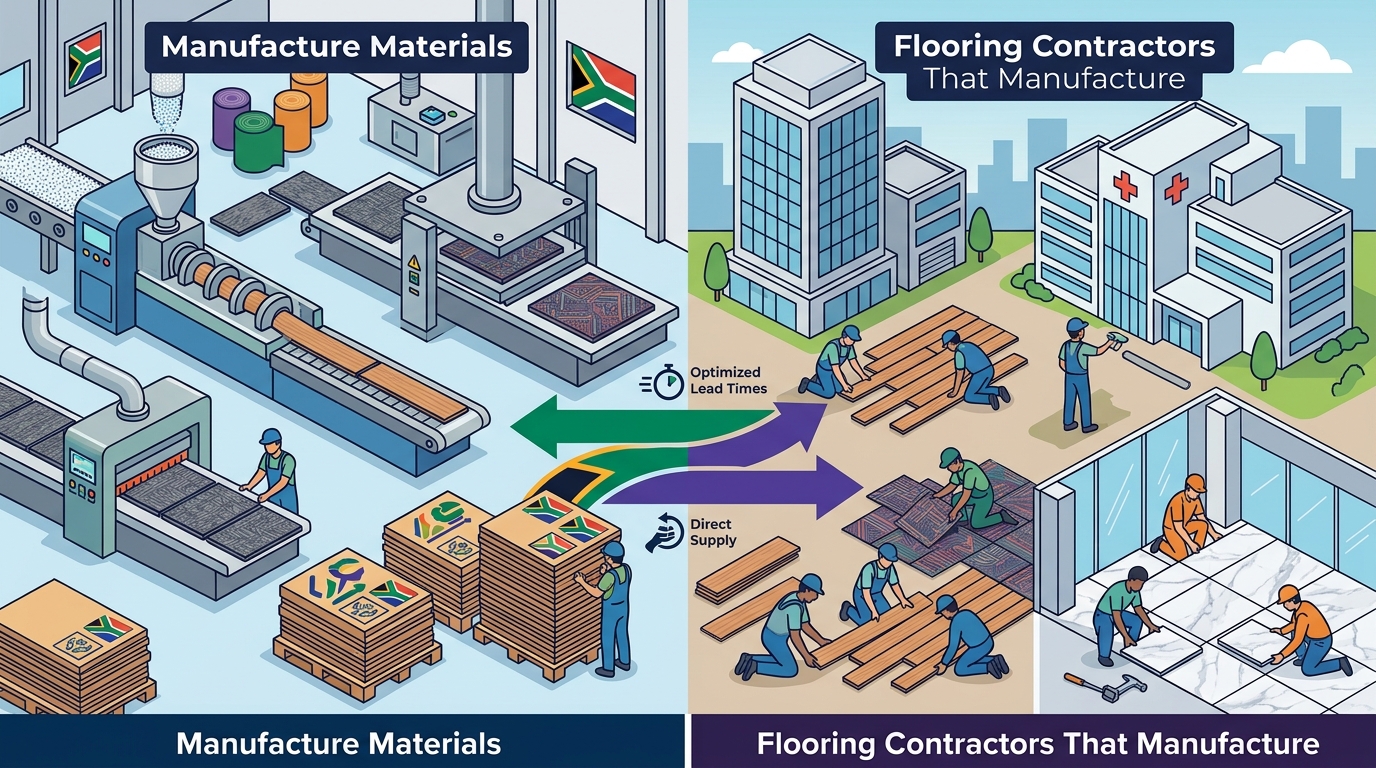
Vertical integration is a business model where a single organization controls multiple stages of the production and distribution process. This approach removes dependency on external suppliers and allows direct oversight of raw material sourcing, fabrication, and quality assurance. South African contractors adopting this framework report significantly reduced project timelines and fewer logistical bottlenecks. By keeping design, engineering, and manufacturing under one roof, companies can rapidly adapt to custom client specifications without waiting for third-party approvals. This operational efficiency translates directly into cost savings and higher reliability for commercial clients.
Local manufacturers also benefit from reduced transportation costs and lower carbon footprints. Materials produced within Gauteng or the Western Cape rarely face the customs clearance delays that plague imported goods. Contractors who control their own supply chain can guarantee consistent batch quality across large facility projects. This level of control is essential for high-traffic environments like data centers, hospitals, and corporate headquarters.
Benefits of Local Manufacturing
Domestic production offers distinct advantages for large-scale commercial installations. First, local factories can respond quickly to design changes without incurring international shipping penalties. Second, manufacturers can tailor material compositions to withstand regional climate conditions and heavy usage patterns. Third, local operations support regional job creation and economic stability. According to recent economic data, domestic manufacturing partnerships contribute substantially to regional GDP growth and infrastructure development. This economic multiplier effect strengthens the entire construction ecosystem.
Quality control remains another critical advantage. When a contractor manufactures their own products, they implement continuous testing protocols throughout the production cycle. This process eliminates the guesswork associated with overseas shipments. Clients receive materials that exactly match the technical drawings and performance requirements. The ability to conduct on-site sampling and rapid prototyping further accelerates project delivery schedules.
Access Flooring Technology
Access flooring is a modular raised floor system designed to conceal electrical wiring, data cabling, and HVAC ductwork beneath a durable walking surface. This technology has become the standard for modern commercial spaces that require flexible infrastructure. South African manufacturers have refined these systems to meet strict load-bearing and acoustic requirements. The modular design allows facility managers to lift individual panels for maintenance without disrupting daily operations. This feature drastically reduces long-term operational costs and extends the lifespan of the entire floor system.
Core Components and Specifications
Modern access flooring systems utilize high-grade steel substrates with cementitious or calcium sulfate cores. These materials provide exceptional fire resistance and impact durability. Strict load-bearing and acoustic requirements dictate modern commercial specifications. The pedestal and stringer framework supports heavy server racks and office furniture while maintaining precise height tolerances. Manufacturers often apply specialized surface finishes to enhance slip resistance and aesthetic appeal. These technical specifications ensure compliance with international building codes and local safety regulations.
Comparing Material Options
Selecting the right flooring solution requires careful evaluation of usage patterns, budget constraints, and aesthetic goals. Local manufacturers typically offer a comprehensive portfolio that covers diverse commercial needs. The table below outlines the primary categories available through domestic production facilities.
| Material Category | Primary Application | Key Performance Metric | Domestic Availability |
|---|---|---|---|
| Access Flooring | Data centers and corporate offices | High load capacity and cable management | Fully manufactured locally |
| Commercial Carpets | Executive suites and hospitality | Stain resistance and acoustic dampening | Custom woven on-site |
| Hard Surfaces | Healthcare and educational facilities | Hygienic sealing and impact durability | Locally fabricated |
| Luxury Vinyl | Retail and residential complexes | Water resistance and design versatility | Imported and locally installed |
Each category serves distinct functional requirements. Project managers should align material selection with foot traffic volume and maintenance capabilities. Local manufacturers often provide comprehensive warranty packages that cover both product defects and installation workmanship. This dual coverage provides long-term financial protection for building owners. Hard surface flooring is a continuous, non-porous material category engineered for high-hygiene environments and heavy impact resistance. Reputable domestic manufacturers design their products to meet or exceed international performance benchmarks. Regular third-party testing verifies fire ratings and acoustic properties.
Key Takeaways
- Vertical integration eliminates third-party markups and guarantees exact technical specifications for commercial projects.
- Domestic manufacturing partnerships reduce import delays and currency exposure for large-scale builds.
- Access flooring systems provide modular cable management and rapid maintenance access for modern offices.
- Local production facilities maintain strict South African Bureau of Standards compliance across all product lines.
- Custom manufacturing capabilities allow rapid adaptation to client-specific design requirements.
- Integrated quality control protocols ensure consistent batch quality and predictable project timelines.
Frequently Asked Questions
Do South African flooring contractors actually manufacture their own materials?
Yes, several established companies operate fully integrated production facilities. These organizations control the entire manufacturing process from raw material sourcing to final quality inspection. This approach ensures strict adherence to technical specifications and local building codes.
What is the average lead time for locally manufactured flooring?
Domestic production typically requires two to four weeks for standard orders. Custom specifications or large-volume commercial projects may extend to six weeks. This timeline remains significantly faster than international shipping schedules.
How does local manufacturing impact project costs?
Eliminating import duties, customs clearance fees, and international freight charges reduces overall material expenses. Contractors who manufacture their own products pass these savings directly to clients. The result is a more predictable budget with fewer hidden logistical costs.
Are locally produced materials compliant with international standards?
Reputable domestic manufacturers design their products to meet or exceed international performance benchmarks. These facilities regularly undergo third-party testing to verify fire ratings, load capacities, and acoustic properties. Compliance documentation is provided alongside every delivery.
Can contractors customize panel sizes and surface finishes?
Most local manufacturers offer extensive customization options. Clients can specify exact panel dimensions, edge treatments, and surface textures. This flexibility ensures seamless integration with existing architectural elements and interior design schemes.
What warranty coverage is typically provided?
Standard warranties range from five to twenty-five years depending on the material category. These packages cover manufacturing defects, structural integrity, and surface wear. Extended coverage options are available for high-traffic commercial environments.
Next Steps
Partnering with a domestic manufacturer streamlines your project timeline and guarantees material consistency. You can explore our complete product catalog and request a technical consultation by visiting our main portal. Visit PentaFloor Access Flooring to review current stock availability, request samples, or schedule a facility tour. Our technical team is ready to assist with material selection, load calculations, and installation planning.